Українська
 Русский
 English
Bitcoin Mining Difficulty Rises by 3.87% Amid Hashrate Decline and Upcoming Reward Reduction
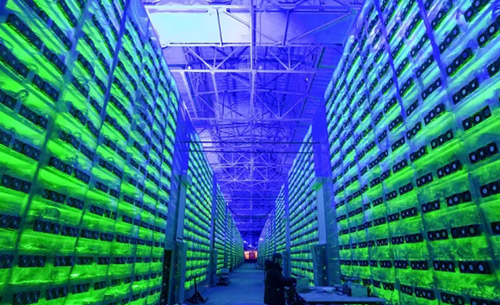
After a 7.76% decrease in the previous difficulty epoch, Bitcoin’s network difficulty increased by 3.87% at block height 943488. This latest adjustment marks the third increase recorded this year.
Key takeaways:
Bitcoin mining difficulty increased by 3.87% at block 943488, while the hashrate dropped by 60.45 EH/s; a further decline of 15.73% is projected.
Miners are facing a hashprice of $30.67 per PH/s and fees of just 0.56%, pushing companies to shift toward AI infrastructure instead of mining $BTC.
The Bitcoin network is approaching its next adjustment on April 19, 2026, as slower block times (11:51) signal a likely decrease in difficulty.
Bitcoin mining is becoming tougher
This year, the Bitcoin network has recorded a total of seven difficulty adjustments, including three increases and four decreases. The most recent drop, which occurred two weeks ago, followed consecutive increases of 14.73% and 0.45% in the two previous epochs.
Following the latest adjustment, the difficulty level rose by 3.87%, significantly increasing the challenge of mining new blocks. It is now 138.97 trillion times higher than at Bitcoin’s launch.
As of 4:00 PM ET, 181 out of 2016 blocks had been mined in the current epoch, meaning the network is about 9% of the way toward the next adjustment expected on April 19, 2026. While it is still early and conditions may change, current estimates suggest a projected decrease of about 14.27%.

Image source: hashrateindex.com, April 4, 2026.
This projection is driven by a noticeable slowdown in block intervals over the past day, with an average block time of 11 minutes and 39 seconds, significantly above the expected 10-minute interval.

Total Bitcoin hashrate on Saturday, April 4, 2026, according to hashrateindex.com.
What is behind this shift? A decline in hashrate. Previously, Bitcoin’s total computational power exceeded 1,000 EH/s, reaching 1,022 EH/s. It has since dropped by 60.45 EH/s to 961.55 EH/s.
Revenue compression intensifies pressure
Falling revenues are likely a key factor behind the decline, along with mining companies reallocating resources to artificial intelligence (AI) infrastructure instead of $BTC mining in pursuit of higher returns. Infrastructure providers directing their capacity to AI can achieve significantly higher yields, prompting many operators to pivot.
A daily hashprice of $30.67 per PH/s is among the lowest levels miners have faced since the early years of the network, when Bitcoin’s valuation was much lower. With 106,335 blocks remaining until the next halving, conditions are expected to become even more challenging.
Additional pressure comes from low transaction fees, which account for just 0.56% of block rewards. However, Bitcoin’s difficulty adjustment mechanism is designed for such scenarios: when miners exit and the hashrate declines, difficulty decreases, making mining more accessible and attracting participants back.
See also: "MARA Mining Company Cuts 15% of Staff Amid Transition to AI and Digital Infrastructure"