Українська
 Русский
 English
Tomorrow Could Determine the Fate of Cryptocurrencies: Here’s What You Need to Know
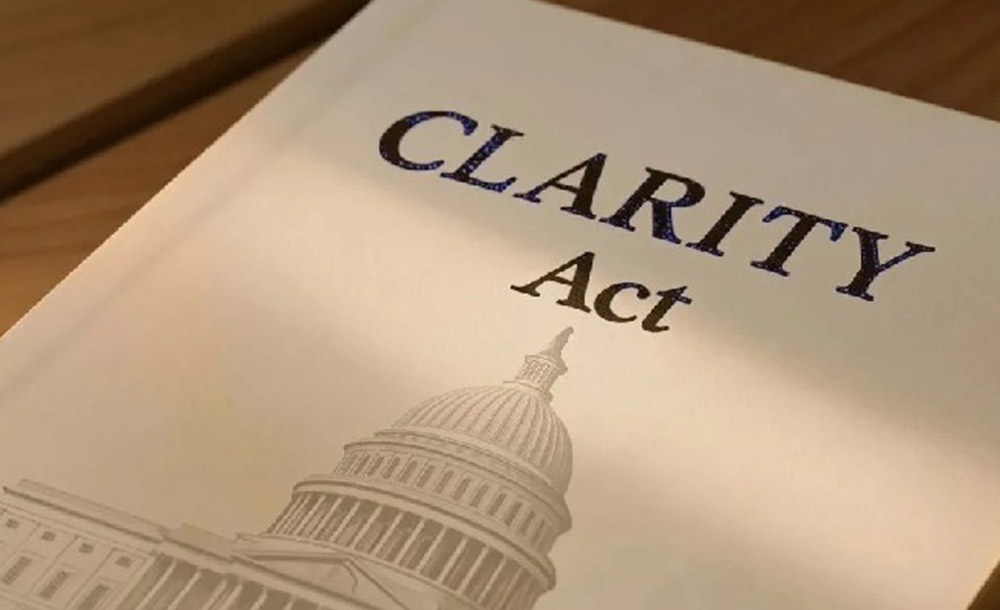
The Clarity Act, a bill containing comprehensive regulations for the U.S. cryptocurrency market, has once again become the center of attention ahead of tomorrow’s crucial vote in the Senate Banking Committee.
Industry representatives generally agree that the final version, which emerged after several months of negotiations, is significantly improved compared to the controversial version introduced in January.
The new 309-page bill, released Tuesday morning, aims to strike a balance between the crypto sector and traditional finance. While tightening rules surrounding stablecoin yields and token issuance, the bill largely preserves fundamental protections for decentralized finance (DeFi), which had previously faced strong criticism from the sector. It also includes a federal support program aimed at encouraging local housing construction — a section that gained support from Senator John Kennedy, who had previously been reluctant to back the legislation.
Leading figures in the crypto industry also responded positively to the updated text. Brian Armstrong, CEO of Coinbase, described the Clarity Act as “strong legislation” in a video message filmed from the Capitol building, saying it would benefit the American people. Chris Dixon, managing partner at a16z crypto, stated that the bill had “improved significantly compared to the January version.”
The bill is receiving support not only from crypto companies but also from other sectors. AARP, one of the largest retirement-focused organizations in the United States, backed the legislation, stating that provisions regulating crypto kiosks and protecting state oversight authority could help shield elderly investors from fraud.
Some major banks have also expressed support for the bill during private discussions. A senior executive at a large investment bank stated that current regulatory uncertainty limits the banking sector’s participation in digital assets, adding that the legislation would provide greater clarity for both the industry and financial institutions.
However, the Banking Sector Remains Divided
Despite this, there is no full consensus within the banking sector. Large banks — especially those with major retail banking operations — along with network banks, are concerned that the growth of the stablecoin market could harm their business models. As part of an intensive lobbying effort led by the American Bankers Association, more than 8,000 letters have been sent to Senate offices since last Friday. These letters call for stricter restrictions on stablecoin applications that offer interest or rewards.
These concerns have also been reflected in proposed amendments to the legislation. One amendment introduced by Senators Jack Reed and Tina Smith seeks to further tighten rules for crypto companies offering stablecoin rewards. In addition, some regulatory proposals criticized by the DeFi Education Fund are said to weaken protections for developers and users of decentralized financial systems.
Senator Elizabeth Warren, well known for her anti-crypto stance, proposed more than 40 amendments to the bill. Among her proposals is a ban preventing the Federal Reserve from providing crypto companies with certain services currently available to banks. Warren has previously described the Clarity Act as risky for both national security and the financial system.
Although the Republican majority in the committee makes it unlikely that the most controversial Democratic amendments will pass, it remains unclear which specific amendments will ultimately be brought to a vote.
See also: "The Senate Prepared More Than 100 Amendments to the Cryptocurrency Bill"