Українська
 Русский
 English
Trump's "Stone Age" rhetoric leads to a $440 million drop in the cryptocurrency market, with Bitcoin falling below $66,000
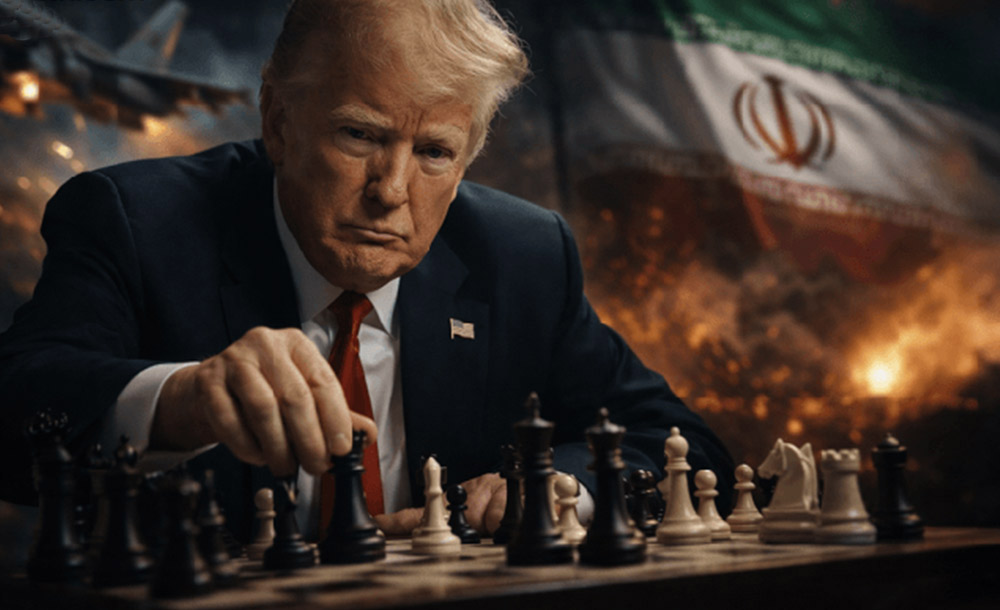
On Thursday, Wall Street mostly closed lower as President Donald Trump's national address, in which he promised to deliver an "extremely strong blow" to Iran, dashed the brief optimism from Wednesday and led to a sharp rise in oil prices.
Oil reached $111 per barrel, as Trump's speech disrupted the rally tied to de-escalation of the conflict on April 1.
Trump delivered the speech on Wednesday evening, warning that Iran would be "returned to the Stone Age" within two to three weeks. This speech wiped out the growth accumulated during the previous session amid reports of possible de-escalation and potential reopening of the Strait of Hormuz. Investors had priced in a quick end to the conflict that began on February 28, 2026. This trading position reversed very quickly.
West Texas Intermediate (WTI) oil rose during the day to $111.50 per barrel, a roughly 11% increase. By the close of trading, the WTI price was $103.6. Brent oil reached about $108 per barrel and has remained at that level. Fuel-sensitive stocks immediately reacted to this with declines. Shares of Delta Air Lines, United Airlines, American Airlines, Carnival, Royal Caribbean, and Norwegian Cruise Line fell by 2-4%.

Brent oil on Thursday, source: tradingview.com
The industrial Dow Jones index lost about 0.3%, closing near 46,400 after finishing the April 1 session at 46,565.74. The S&P 500 index fell by about 0.1% to 6,582.68, trading between a low of 6,474.94 and a high of 6,601.91 with a trading volume of about 2.62 billion shares. The Nasdaq Composite index also dropped by about 0.1%, closing near 21,800.

Trump, April 2, via Truth Social, photo.
Tesla led the decline among large-cap tech companies, losing more than 5% due to weak delivery data. Most other stocks from the "Magnificent Seven" also dropped in price. Chip and memory producers remained volatile as concerns over AI spending continued to circulate.
Trump will insist on increasing defense spending
Shares of defense and aerospace companies held up. The defense budget proposal for the 2027 fiscal year, amounting to $1.5 trillion, which was reported by Bloomberg, continues to attract capital to this sector. Shares of Boeing and Caterpillar maintained the momentum from the previous session. This proposal will be the largest annual increase in U.S. military spending since World War II.
One standout company was Globalstar (ticker GSAT), whose shares rose sharply on reports of a potential acquisition by Amazon. Nike's shares dropped due to weak consumer spending data.
Gold futures fell nearly 3%, closing at around $4680 per ounce. Spot gold traded in the range of $4664 to $4695. The strengthening of the dollar, which rose about 0.3%, and lowered expectations for a Fed rate cut put pressure on both metals. Silver dropped by 4-6% during the session, trading between $70.80 and $72.30 per ounce. Both metals still show strong growth since the beginning of the year due to consistent demand driven by conflicts.

Gold on Thursday, source: tradingview.com
At the close of Wall Street, Bitcoin was trading at around $67,024, down 1.6% from April 1. The coin reached a session low of about $65,789. Ethereum fell by 3-4%, hovering around the $2,059 mark. The total market capitalization of cryptocurrencies fell by about 2% during the day to around $2.3 trillion. Bitcoin's market share remained around 58%. Solana and XRP also decreased in value.
The yield on 10-year Treasury bonds dropped below 4.31%. Flows into safe-haven assets were mixed: some demand for Treasury bonds was offset by the strengthening of the dollar and concerns about inflation caused by rising oil prices. On Friday, the markets will be closed due to Good Friday. Bond trading ended at 14:00 Eastern Time. The next major catalyst will be the employment report for March, scheduled for release on Friday. Investors will analyze it when trading resumes on Monday.
On April 1, all three major indexes showed a strong increase: S&P 500 rose by 0.7%, Nasdaq gained 1.2%, and Dow increased by 0.5%. These moves reflected confidence that the Middle East conflict was nearing resolution. April 2 showed how quickly this confidence can disappear.
The main topics next week will be the conflict with Iran, oil prices, the passage of the $1.5 trillion defense budget through Congress, and any signals from the Federal Reserve regarding inflation expectations related to energy costs.