04/06/26 04:51 UTC-04
Cryptocurrency
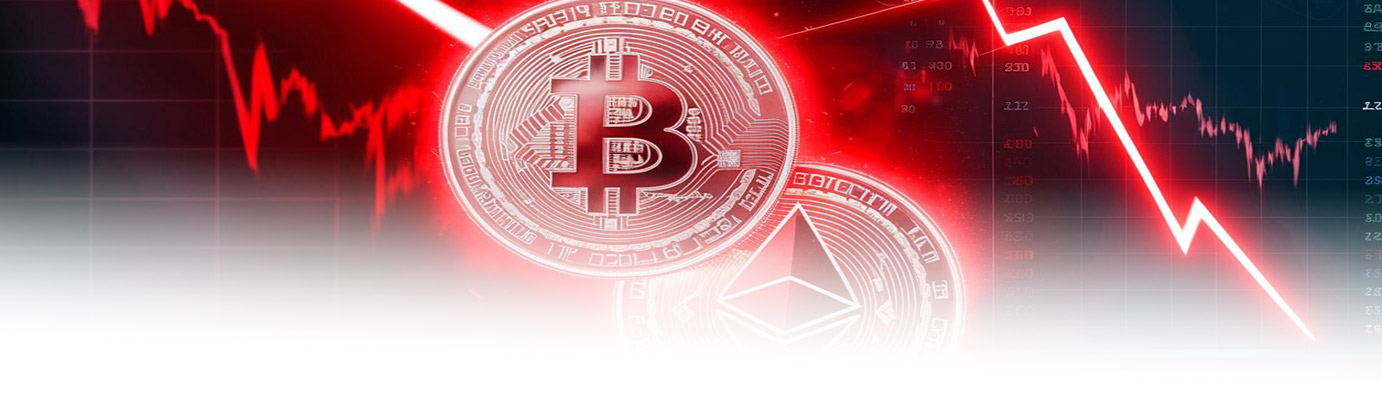
Bitcoin Plunges Below $62,000, Ethereum Falls Below $1,800
On the night of 4 June 2026, the crypto market saw another downturn. Bitcoin briefly fell to $61,383, while Ethereum dropped to $1,717, according to TradingView.
04/05/26 08:58 UTC-04
Cryptocurrency
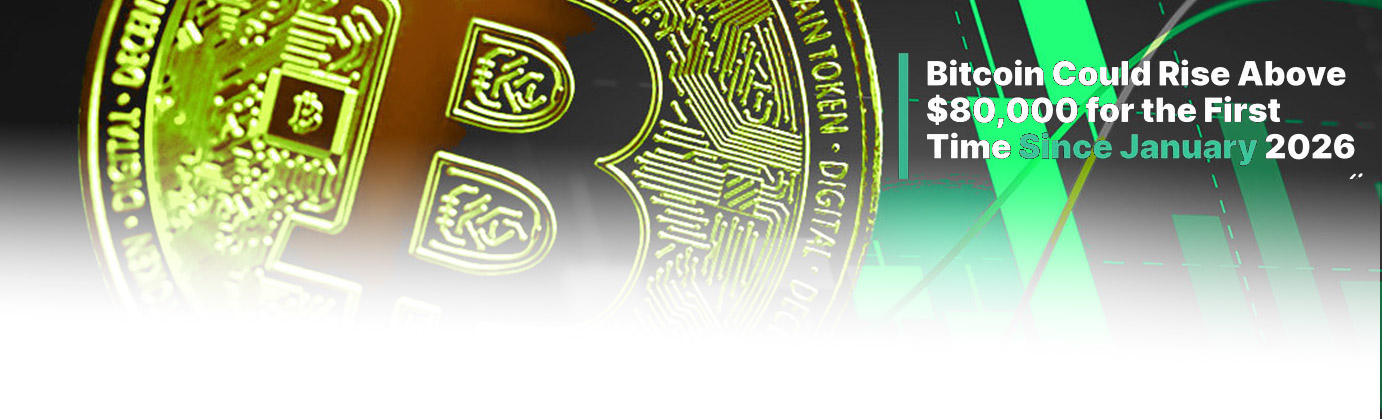
Bitcoin Surpasses $80,000 for the First Time Since January
Bitcoin broke above $80,000 on Monday, May 4, gaining 2.7% within three hours amid a rally in Asian equity markets. This marks the highest level since January 31, 2026.
01/04/26 05:26 UTC-04
Cryptocurrency
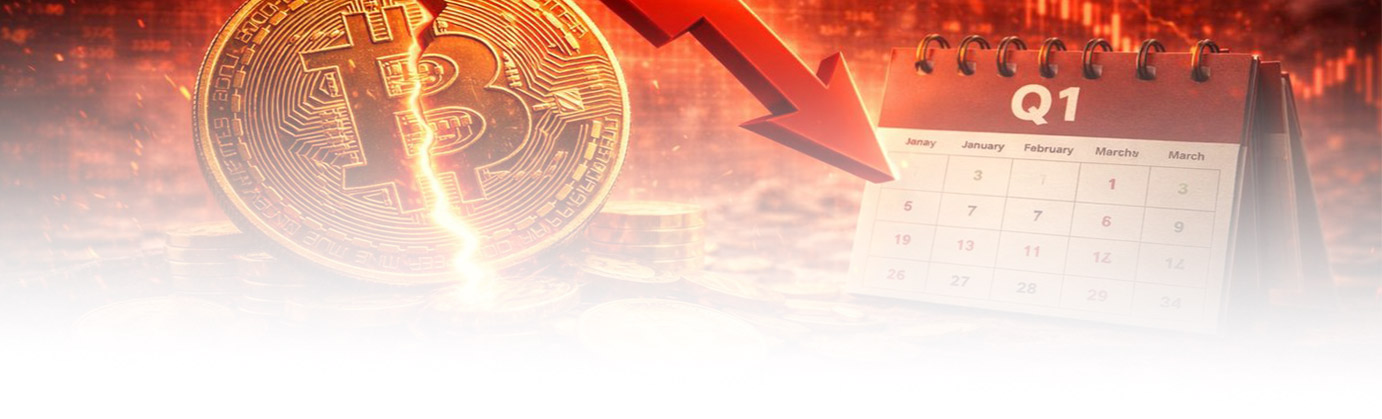
Bitcoin posted its worst first quarter since 2018
In the first quarter of 2026, the price of the leading cryptocurrency fell by 22.2%, marking its worst start in eight years.
05/08/25 19:57 UTC-04
Cryptocurrency
On Monday, U.S.-based Ethereum exchange-traded funds (ETH ETFs) recorded their largest single-day outflow since their launch in July 2024, with $465.1 million withdrawn in just one day.
05/08/25 06:25 UTC-04
Trading
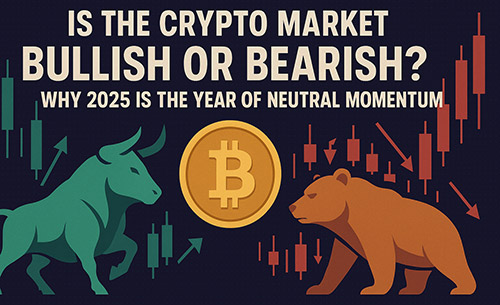
The cryptocurrency market is showing alarming shifts in investor sentiment. According to analytics platform Amberdata, the 180-day implied volatility skew on Deribit has fallen to zero, signaling a transition from long-term bullish to neutral expectations.
04/08/25 16:04 UTC-04
Cryptocurrency

The cryptocurrency Litecoin was trading at $119.85 at 10:55 PM (7:55 PM GMT) on the Investing.com Index on Monday, marking a 10.01% gain for the day. This was the strongest daily increase for Litecoin since July 19.
04/08/25 15:14 UTC-04
Cryptocurrency

In 2025, Bitcoin (BTC) and Ethereum (ETH) have shown significant growth and attracted unprecedented institutional interest.
04/08/25 14:00 UTC-04
Mining

This week, Bitcoin’s mining difficulty reached a record high of 127.6 trillion, making it harder than ever to mine new blocks. Miners now require more computational power to solve the problems needed to validate transactions and earn rewards.
04/08/25 12:23 UTC-04
Cryptocurrency

The yield-bearing stablecoin USDe, issued by Ethena Labs, has surpassed FDUSD to become the third largest dollar-pegged token. A 75% increase in market capitalization since mid-July has brought the circulating supply to $9.3 billion, according to The Block's dashboard data.
03/08/25 21:48 UTC-04
Cryptocurrency
Several crypto experts believe that the first exchange-traded funds (ETFs) based on Solana may be approved soon, which could trigger a sharp rise in SOL.
03/08/25 18:51 UTC-04
Cryptocurrency

Despite signs of a short-term recovery after a week of continuous losses for Cardano (ADA), an artificial intelligence (AI) model forecasts that the token could end August on a strong note.
31/07/25 16:49 UTC-04
Trading
Solana’s rally has slowed. Over the past month, SOL gained more than 22%, but it has lost nearly 6% in the past seven days.
31/07/25 15:06 UTC-04
Other

Visa has added support for three new stablecoins — PYUSD, USDG, and EURC. The company is also now working with the Stellar and Avalanche blockchains.
31/07/25 03:43 UTC-04
Exchanges

The world’s largest cryptocurrency exchange by trading volume, Binance, has launched an unusual service allowing users to buy digital assets at a discount.
30/07/25 21:57 UTC-04
Trading

The price of Bitcoin (BTC) has been trading sideways for 20 consecutive days, staying within a narrow price range. However, data from Binance suggests the market may be setting up for a much more complex move than it appears. Metrics indicate the market might be preparing for a sharp movement — either up or down.
30/07/25 16:41 UTC-04
Cryptocurrency

In July, U.S.-based spot Ethereum (ETH) ETFs experienced record-breaking capital inflows. According to research platform SosoValue, the net inflow into ETH spot ETFs reached $5.41 billion in July alone—more than the combined inflows from all previous months since launch.
30/07/25 14:21 UTC-04
Other
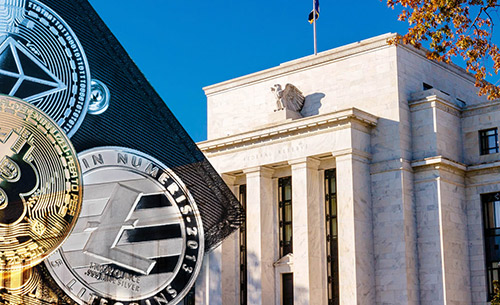
On July 30, the U.S. Federal Reserve (Fed) kept the key interest rate in the range of 4.25–4.5%.
30/07/25 05:40 UTC-04
Other

The Bank of Korea (BoK) has created a new division to monitor the crypto market, Indonesia has announced increased taxes on crypto transactions, and Hong Kong has finalized its rules for stablecoins. ForkLog has compiled the latest developments from Asia.
30/07/25 03:33 UTC-04
Mining

MARA (formerly Marathon Digital) released its financial report for Q2 2025. The company’s revenue increased by 64% compared to the same period last year.
 Українська
 Русский
 English