04/06/26 04:51 UTC-04
Cryptocurrency
Bitcoin Plunges Below $62,000, Ethereum Falls Below $1,800
On the night of 4 June 2026, the crypto market saw another downturn. Bitcoin briefly fell to $61,383, while Ethereum dropped to $1,717, according to TradingView.
04/05/26 08:58 UTC-04
Cryptocurrency

Bitcoin Surpasses $80,000 for the First Time Since January
Bitcoin broke above $80,000 on Monday, May 4, gaining 2.7% within three hours amid a rally in Asian equity markets. This marks the highest level since January 31, 2026.
01/04/26 05:26 UTC-04
Cryptocurrency

Bitcoin posted its worst first quarter since 2018
In the first quarter of 2026, the price of the leading cryptocurrency fell by 22.2%, marking its worst start in eight years.
26/05/26 20:15 UTC-04
Cryptocurrency

The crypto ETF market has started to change sharply. While hundreds of millions of dollars continue to flow out of bitcoin and Ethereum funds, some capital is unexpectedly shifting towards more aggressive altcoin stories — primarily $HYPE from Hyperliquid.
26/05/26 19:35 UTC-04
Trading

$OKB continued its strong rally this week after buyers triggered a major breakout above key resistance levels. The token rose by more than 16% over the past 24 hours and almost 19% over the past seven days. Trading activity also accelerated sharply, with daily volume exceeding $117 million.
26/05/26 18:46 UTC-04
Trading
$XRP is trading at $1.3404 on 26 May, staying within the completed candle range after a rapid liquidity sweep below $1.30 on 23 May, while the 30-minute Supertrend remains red and Wednesday’s ledger update approaches, with validators already upgrading.
26/05/26 07:28 UTC-04
Cryptocurrency

NEAR Protocol and its native token rallied sharply amid a combination of short liquidations, renewed interest in AI-related crypto assets, and rising fee revenue from its cross-chain infrastructure. Over the past seven days, NEAR Protocol gained around 50% and climbed toward the $2.73 level.
26/05/26 04:24 UTC-04
Cryptocurrency

The total market capitalization of stablecoins has surpassed a historic milestone, reaching $322 billion. This marks the highest stablecoin market capitalization ever recorded. As a result, stablecoin reserves now exceed the foreign currency reserves of 95 countries worldwide.
26/05/26 02:57 UTC-04
Cryptocurrency

Bitcoin dropped below the $77,000 mark on Tuesday amid renewed U.S. strikes on Iranian targets, which weakened hopes for a near-term peace agreement and added pressure to the world’s largest cryptocurrency alongside slowing inflows into exchange-traded funds (ETFs).
26/05/26 02:08 UTC-04
Cryptocurrency
U.S. spot Bitcoin ETFs experienced a fresh wave of outflows. Over five trading days, around $1.26 billion exited 11 funds — something the market usually interprets as a weak signal for $BTC. However, analysts at Santiment see it differently: such periods often create conditions for steady accumulation rather than panic.
25/05/26 23:25 UTC-04
Cryptocurrency

The market expected a different scenario. Many in the crypto industry initially viewed Kevin Warsh’s appointment as Federal Reserve Chair as bullish for Bitcoin, but $BTC quickly moved lower and dropped to $74,190 — its lowest level in more than a month.
25/05/26 22:47 UTC-04
Trading
The Bitcoin options market is approaching a major expiry on May 29. Contracts worth approximately $6.25 billion are set to expire on Deribit, and current positioning already highlights the key levels for $BTC: $75,000, $80,000, and $82,000. These zones are now shaping the market’s short-term narrative.
25/05/26 22:38 UTC-04
Fiat money, funds
During a difficult week for crypto ETFs, institutional investor sentiment shifted sharply: more than $1.2 billion flowed out of Bitcoin ETFs, while Ethereum-based products extended their prolonged decline. At the same time, capital continued flowing into $XRP, Solana, and Hyperliquid-related products, highlighting growing interest in alternative crypto narratives.
25/05/26 12:02 UTC-04
Cryptocurrency

Recent Bitcoin exchange data suggests the market is facing stronger spot-side selling pressure, as Binance inflows remain elevated while exchange reserves recover from April lows. CryptoQuant analyst Darkfost noted that the shift emerged during a broader market correction shaped by geopolitical tensions and risk-off sentiment.
25/05/26 11:16 UTC-04
Trading
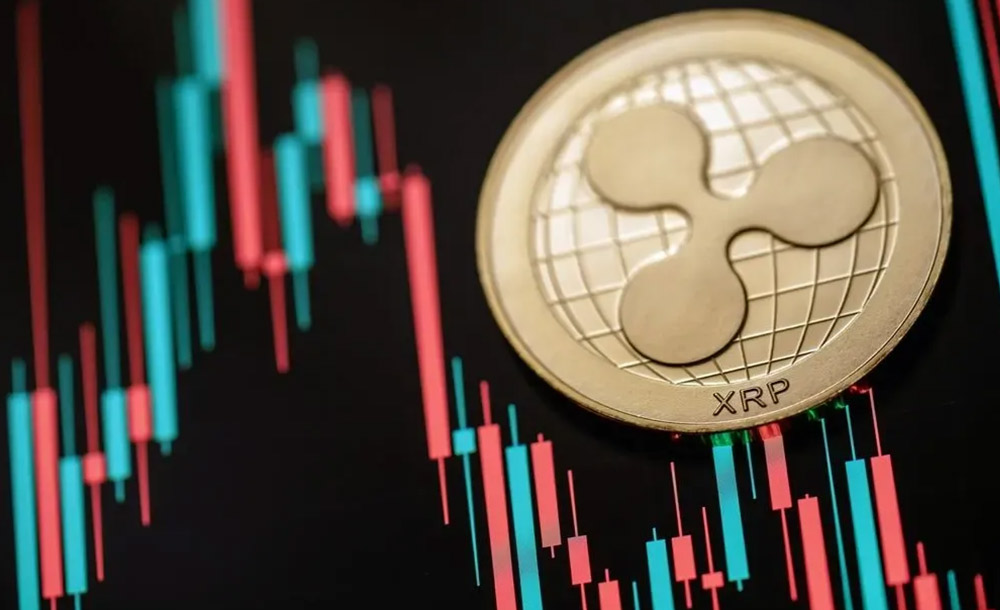
$XRP continued to struggle near key resistance levels this week as weakening momentum and declining trader activity kept the token under pressure. The cryptocurrency traded around $1.35 after failing to hold gains above an important Fibonacci resistance zone. Alongside broader crypto market weakness, declining speculative demand has also weighed heavily on $XRP’s recovery outlook.
25/05/26 08:11 UTC-04
Trading

Bitcoin’s latest pullback has started to shift short-term market sentiment after weeks of aggressive upside momentum. Although the broader structure still favors bulls, recent trading activity suggests buyers are losing strength near the $82,800 resistance zone. As a result, Bitcoin is now trading below critical short-term levels while traders monitor whether support around $76,000 can stabilize the market.
25/05/26 05:46 UTC-04
Trading
Ethereum was trading at $2,104 on May 25, holding slightly above the lower trendline of its channel after a 12% pullback from early May highs. Negative sentiment, ETF outflows, and high-profile $ETH sales continue to pressure a chart that currently lacks a clear bottom below $2,078.
25/05/26 04:29 UTC-04
Trading

Cardano is trading at $0.2427 on May 25, rebounding from the $0.23 lows after a volatile weekend session, as Charles Hoskinson launches a major governance review that could reshape how the network funds itself and determines its future.
25/05/26 03:51 UTC-04
Exchanges
Darkfost, an analyst from the cryptocurrency analytics platform CryptoQuant, shared important data regarding Bitcoin movements on the Binance exchange. According to the analyst, Binance’s $BTC reserves have shown continuous net inflows over the past 10 days. This indicates that investors are transferring more Bitcoin to the exchange, potentially increasing selling pressure.
 Українська
 Русский
 English