Українська
 Русский
 English
Rumours of a US-Iran Deal Add $500 Billion to the Stock Market
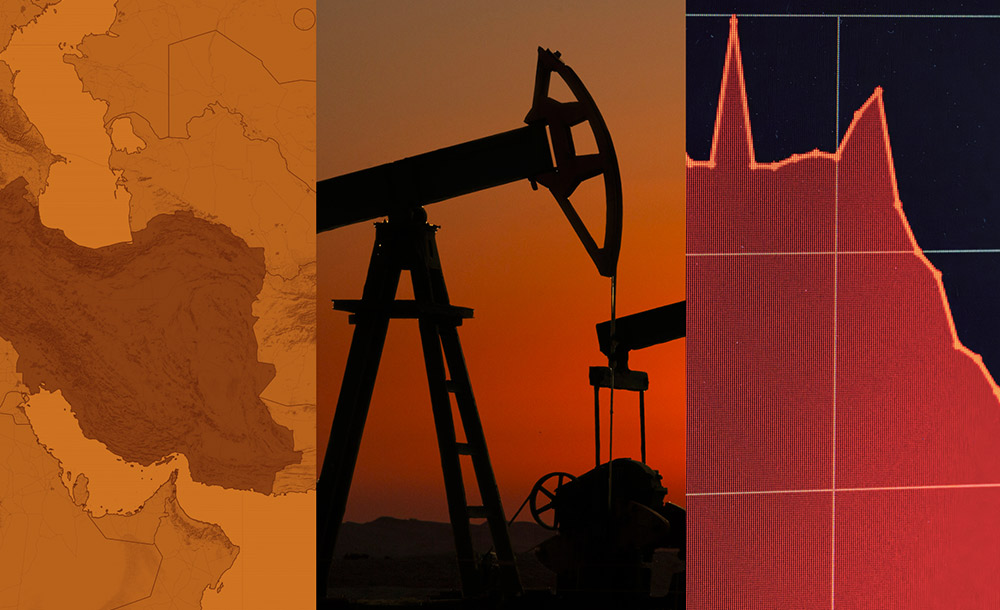
Financial markets sharply reversed higher following reports of a possible peace agreement between the United States and Iran. Within minutes, the US stock market added roughly $500 billion in market capitalisation, while oil prices dropped sharply amid expectations of easing tensions around the Strait of Hormuz.
Against this backdrop, Bitcoin also remained in positive territory and traded near $77,600. Traders began pricing in a scenario involving a possible end to the conflict and a gradual restoration of stability in the oil market.
Markets React Sharply to Leaked Draft Agreement
According to reports from Al Arabiya, the parties are close to a final draft agreement, with Pakistan allegedly acting as mediator in the negotiations. The document reportedly includes an immediate ceasefire and the restoration of freedom of navigation through the Strait of Hormuz.
This particular point became the key factor for the markets. The Strait of Hormuz remains one of the world’s most important oil trade arteries, meaning that any risk of disruption immediately affects energy prices and global inflation expectations.
Following the reports, the S&P 500 accelerated its gains, while investors actively unwound defensive oil positions.
Oil Falls Sharply as Geopolitical Premium Fades
WTI crude oil fell approximately 2.5–3%, dropping to around $96.23 per barrel. Markets rapidly began removing the so-called “war premium” that had built up in recent weeks amid tensions surrounding Iran.
At the same time, some traders started buying the dip in oil, believing that the situation remains unstable. Even if an agreement is reached, markets may require time to restore previous logistics and shipping routes.
Analysts at Rystad Energy warned that full normalisation of tanker infrastructure could take between six and eight weeks. Insurers and shipowners may also need additional weeks to return to normal operating conditions.
Bitcoin Trades Like a Macro Asset Again
The reaction of Bitcoin once again demonstrated how closely the crypto market is now tied to global macroeconomics and geopolitics. Amid rumours of de-escalation, Bitcoin held near $77,600 and gradually moved higher alongside stock indices.
A similar situation occurred earlier in the spring when markets reacted to reports of a potential pause in strikes against Iran. At that time, BTC briefly climbed close to $80,000 amid improving risk appetite.
For traders, the logic remains the same: lower oil pressure reduces inflation risks, potentially easing the stance of the Federal Reserve System and increasing interest in risk assets.
The Draft Agreement Still Raises Many Questions
Despite market euphoria, the document itself has not yet been officially confirmed. According to sources, the agreement would involve a gradual lifting of sanctions on Iran in exchange for compliance with the terms and oversight from a joint monitoring mechanism.
The parties are also reportedly discussing commitments to refrain from strikes on infrastructure and to begin new negotiations on remaining disputed issues within a week.
However, markets remain uncertain about how sustainable such an agreement could be. In particular, concerns remain regarding the role of the Islamic Revolutionary Guard Corps and the Iranian government’s ability to maintain internal stability.
Investors Fear Another “Headline Pump”
Some market participants remain cautious about the situation. Over recent months, investors have repeatedly seen markets react sharply to major geopolitical headlines that ultimately failed to produce meaningful real-world changes.
As a result, some analysts believe the current rally in equities and the decline in oil prices could prove to be only a temporary reaction to an unconfirmed leak.
This is especially relevant for the crypto market, where news related to Iran has repeatedly triggered significant volatility and sudden liquidity movements.
Pakistan Unexpectedly Emerges at the Centre of Negotiations
Markets also focused closely on Pakistan’s role in the negotiations. Reports suggest that Pakistan’s army chief Asim Munir visited Tehran on 21 May, with Pakistan acting as an intermediary between Washington and Iran.
If confirmed, this would represent one of the most unusual diplomatic channels in the current conflict. Previous attempts at negotiations through Islamabad failed to deliver results.
Investors are now closely watching for any official statement in the coming hours, as this is likely to become the primary trigger for further movements in oil, equities, and Bitcoin.
What Comes Next?
For now, markets are trading expectations rather than the reality of a signed agreement. As a result, volatility may remain elevated, particularly in oil and cryptocurrencies.
If a ceasefire is genuinely confirmed, pressure on the oil market could ease further while risk appetite continues recovering. This may support equities and the crypto market in the short term.
However, if negotiations collapse once again, investors are likely to quickly return to defensive positioning. In that case, oil prices could resume their rise, while Bitcoin may face renewed pressure from macroeconomic risks.
See also: "Strategy Founder Michael Saylor and CEO Phong Le Make Important Statements About Bitcoin (BTC)"