04/06/26 04:51 UTC-04
Cryptocurrency
On the night of 4 June 2026, the crypto market saw another downturn. Bitcoin briefly fell to $61,383, while Ethereum dropped to $1,717, according to TradingView.
11/07/25 00:27 UTC-04
Cryptocurrency
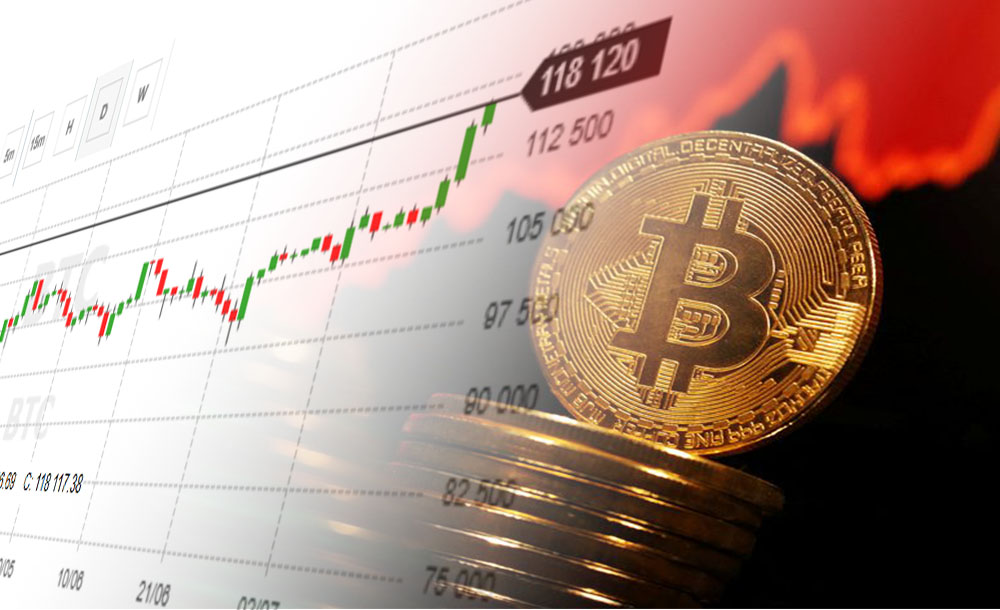
Bitcoin surged to new highs on Friday, surpassing the $118,000 mark, driven by strong institutional interest and crypto-friendly policies from U.S. President Donald Trump's administration.
18/07/25 01:55 UTC-04
Cryptocurrency
According to Coingecko, the total crypto market capitalization reached approximately $4.003 trillion, with over $260.2 billion in crypto trades over the last 24 hours.
18/11/25 05:06 UTC-04
Cryptocurrency
The largest cryptocurrency reached a low of $89,253 on the Binance exchange, marking a 29% decline from its all-time high, recorded on October 6. Ethereum also dropped to $2,946, demonstrating overall weakness in the crypto market.
30/07/25 05:17 UTC-04
Cryptocurrency

The second-largest cryptocurrency by market cap is experiencing a new wave of interest — the asset is outpacing Bitcoin in growth. Ethereum (ETH) has increased in value by 12,200 times since its launch 10 years ago.
04/05/26 08:58 UTC-04
Cryptocurrency
Bitcoin broke above $80,000 on Monday, May 4, gaining 2.7% within three hours amid a rally in Asian equity markets. This marks the highest level since January 31, 2026.
01/04/26 05:26 UTC-04
Cryptocurrency
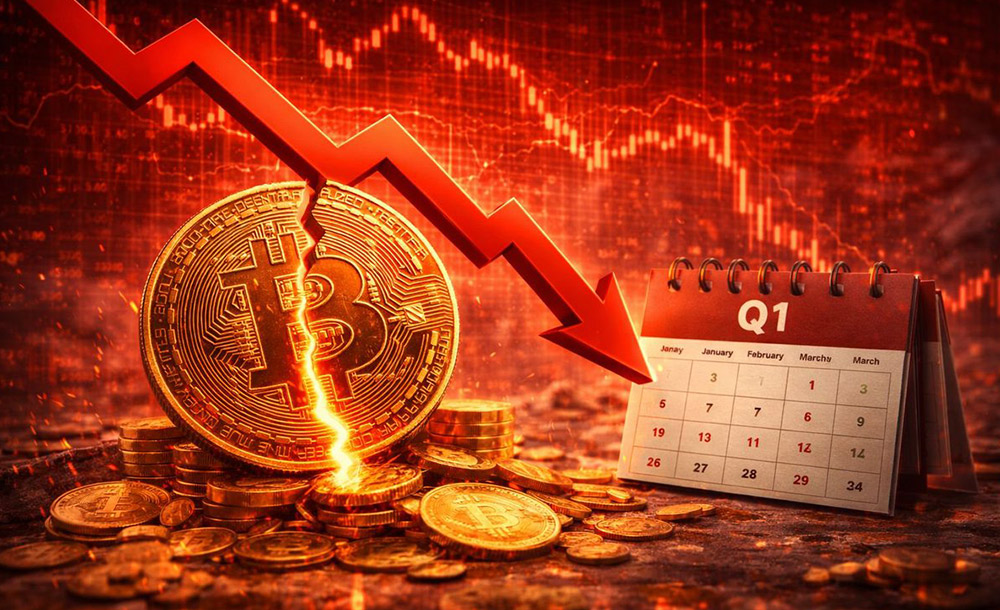
In the first quarter of 2026, the price of the leading cryptocurrency fell by 22.2%, marking its worst start in eight years.
11/10/25 03:03 UTC-04
Cryptocurrency

Most crypto assets plunged sharply in price, with the market losing over 9% of its total capitalization in 24 hours. Alongside the broad decline, traders faced massive futures liquidations totaling $19 billion in a single day — a historic record, according to Coinglass.
05/10/25 15:03 UTC-04
Cryptocurrency
Bitcoin climbed to a new all-time high during Asian trading on Sunday, reaching $125,296.58 and surpassing its previous record set in mid-August — reaffirming its position as the largest and most valuable cryptocurrency in the world by market capitalization.
12/06/26 16:46 UTC-04
Cryptocurrency
Bitcoin has approached levels that, in previous cycles, more often appeared closer to the final stage of a bear market. According to Checkonchain, the price has fallen to the area of the 200-week average, which long-term investors use as a rough line of the four-year trend.
10/06/26 03:01 UTC-04
Cryptocurrency
Bitcoin declined on Wednesday, following a broad sell-off across risk assets, as renewed military action between the United States and Iran undermined hopes for a peaceful settlement in the Middle East.
09/06/26 18:05 UTC-04
Cryptocurrency

Bitcoin is approaching a decisive technical zone after its four-hour chart showed a rebound from below $60,000 that stalled near $63,217. The recovery brought the token’s price back to immediate resistance at $63,846, while the stronger confirmation zone lies between $64,000 and $66,000.
09/06/26 02:58 UTC-04
Cryptocurrency
On Tuesday, Bitcoin stabilised after the largest corporate holder of the cryptocurrency, Strategy, used the recent price decline to buy more, while tensions in the Middle East eased, bringing some relief to crypto markets.
09/06/26 00:53 UTC-04
Cryptocurrency
Institutional Bitcoin reserves are growing: the top 100 holders account for 1,258,090 $BTC, with Strategy leading the list with a massive position of 845,256 $BTC.
08/06/26 15:23 UTC-04
Cryptocurrency

The Toncoin ($TON) community has approved a Telegram-backed proposal to rename the network’s native token. As a result of the vote, the native token known as Toncoin will be renamed “Gram”, while its ticker will change from “$TON” to “GRAM”.
08/06/26 14:11 UTC-04
Cryptocurrency

2026 has been a difficult period for the cryptocurrency market: since the start of the year, each of the five largest crypto assets by market capitalisation has posted double-digit losses. Among this group, Solana ($SOL) has suffered the most, losing more than 47% of its value since January 1. To understand where the market may head next, we asked several leading modern artificial intelligence (AI) models to forecast the year-end prices of $BTC, $ETH, $BNB, $XRP and $SOL. Their answers were, to put it mildly, intriguing.
 Українська
 Русский
 English